
Relational neuroscience meets mental health & well-being
Mental health as a relational and regulatory process
Relational neuroscience understands mental health as shaped through the ongoing interaction between the brain, body, and relationships. Emotional wellbeing is closely linked to the nervous system’s capacity for regulation, which is supported through experiences of safety, responsiveness, synchrony, and connection across the lifespan. From this perspective, mental health challenges are not simply located within the individual. They often reflect the impact of chronic stress, relational strain, or environments that disrupt regulation.

Regulation, stress, and emotional wellbeing
When people experience relationships that are predictable, responsive, and synchronised—where emotional tone, timing, and attention are aligned—the nervous system is better able to recover from stress.
Synchrony supports emotional stability and a sense of connection. When synchrony is disrupted or inconsistent, regulation becomes more effortful.

The role of co-regulation in mental health
Across the lifespan, regulation is supported through relationships. While individual coping strategies are critical, co-regulation remains important in adulthood, particularly during periods of distress, change, or cumulative stress.
In mental health contexts, supportive and attuned relationships—such as those found in therapy or care settings—can help restore stability and support recovery. Over time, these experiences contribute to improved emotional regulation, resilience, and wellbeing.
Implications for mental health support
A relational neuroscience lens:
emphasises safety and regulation as foundations
supports relational approaches
recognises the role of environments and systems in mental health
By attending to relational safety and regulatory capacity, mental health support can foster wellbeing and functioning as relationally scaffolded capacities that develop and are sustained over time.

Parent-Child, Spouses and Families
A relational neuroscience approach to families. Towards understanding families as relational systems.
Appreciating how relationships and social interactions shape the developing brain and early learning.
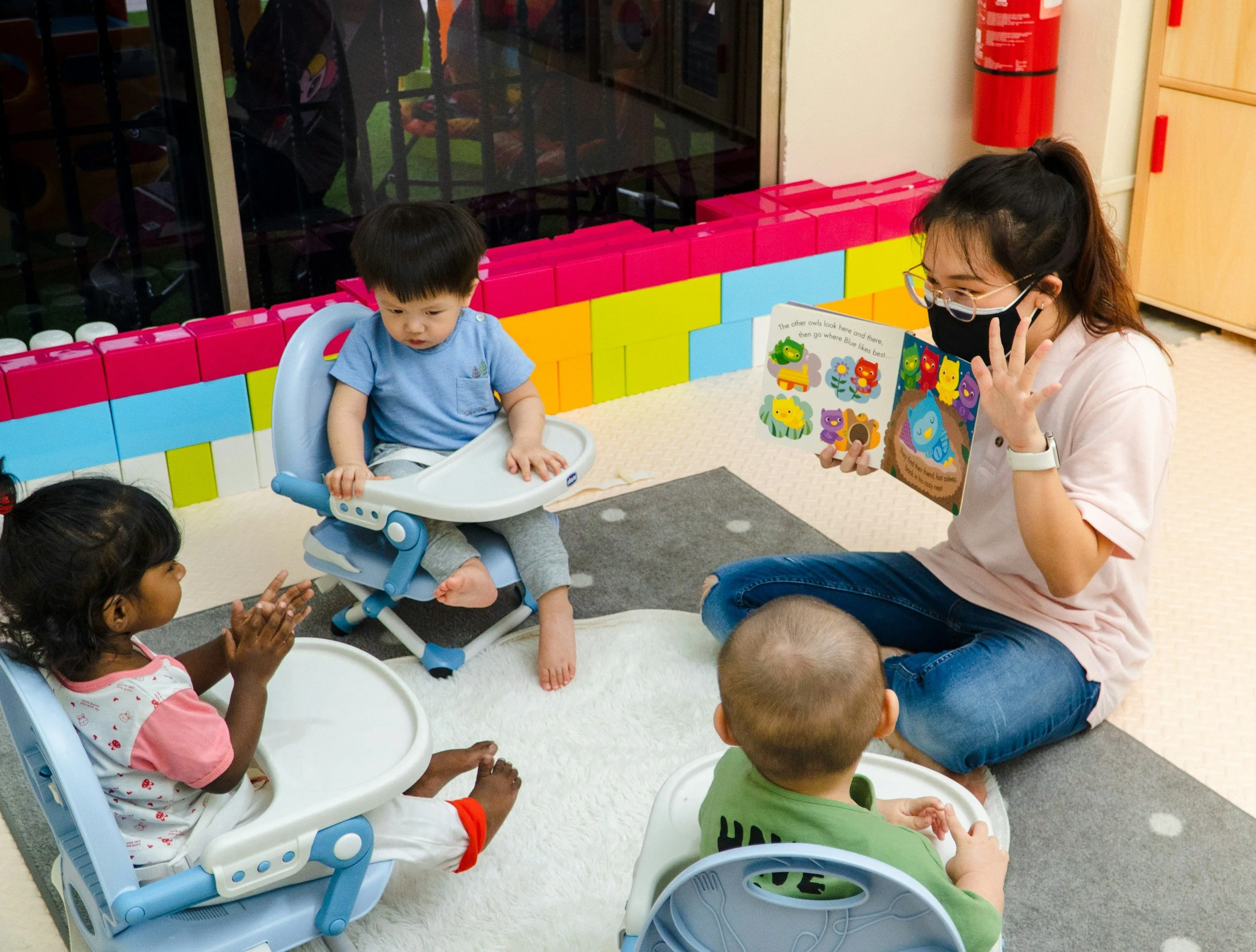
Children & Early Educators
Uncover the relational dimensions that support effective learning and performance.

Learners & the Workplace
Collective well-being starts from understanding how co-regulation from social support is essential.