A relational view of the brain.
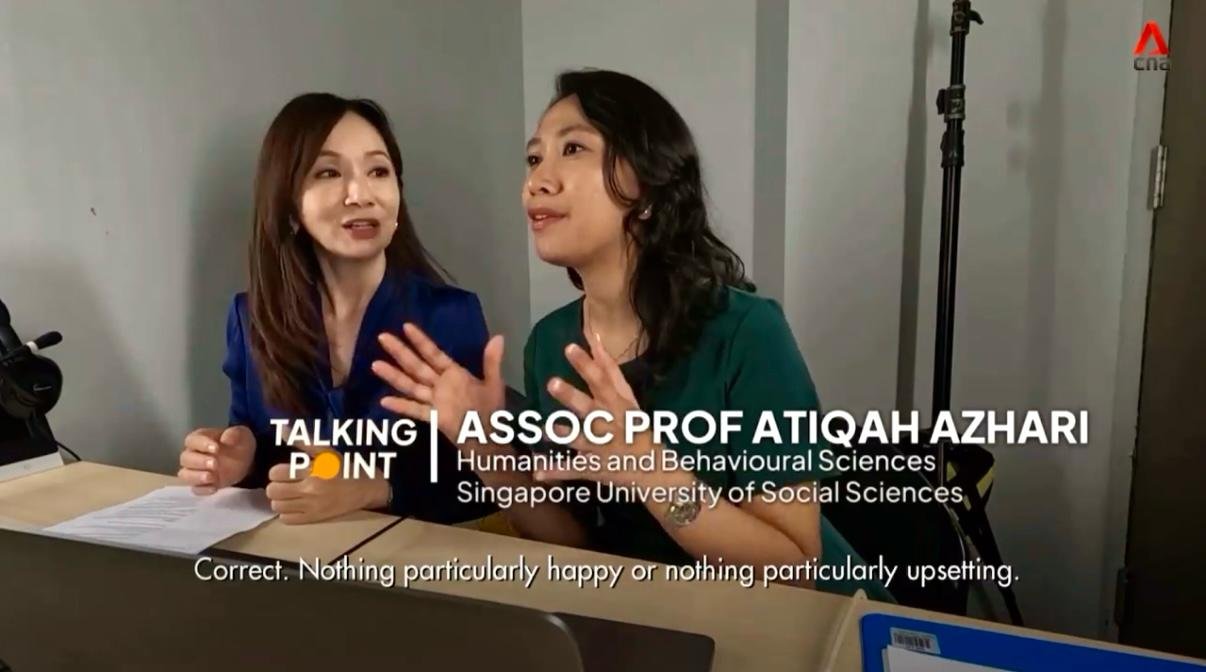
Much of contemporary neuroscience focuses on the individual mind: self-regulation, resilience, learning, performance.
Relational neuroscience offers a broader perspective. Human brains do not develop, regulate, or adapt in isolation. They are shaped continuously through interaction with other people.
From parent–child relationships and classrooms to workplaces and communities, social interaction influences how people attend, communicate, coordinate, learn, and respond to one another over time.
Relational neuroscience examines these processes across individuals, dyads, and groups, providing an integrative framework for understanding how human outcomes emerge through relationships and social systems.
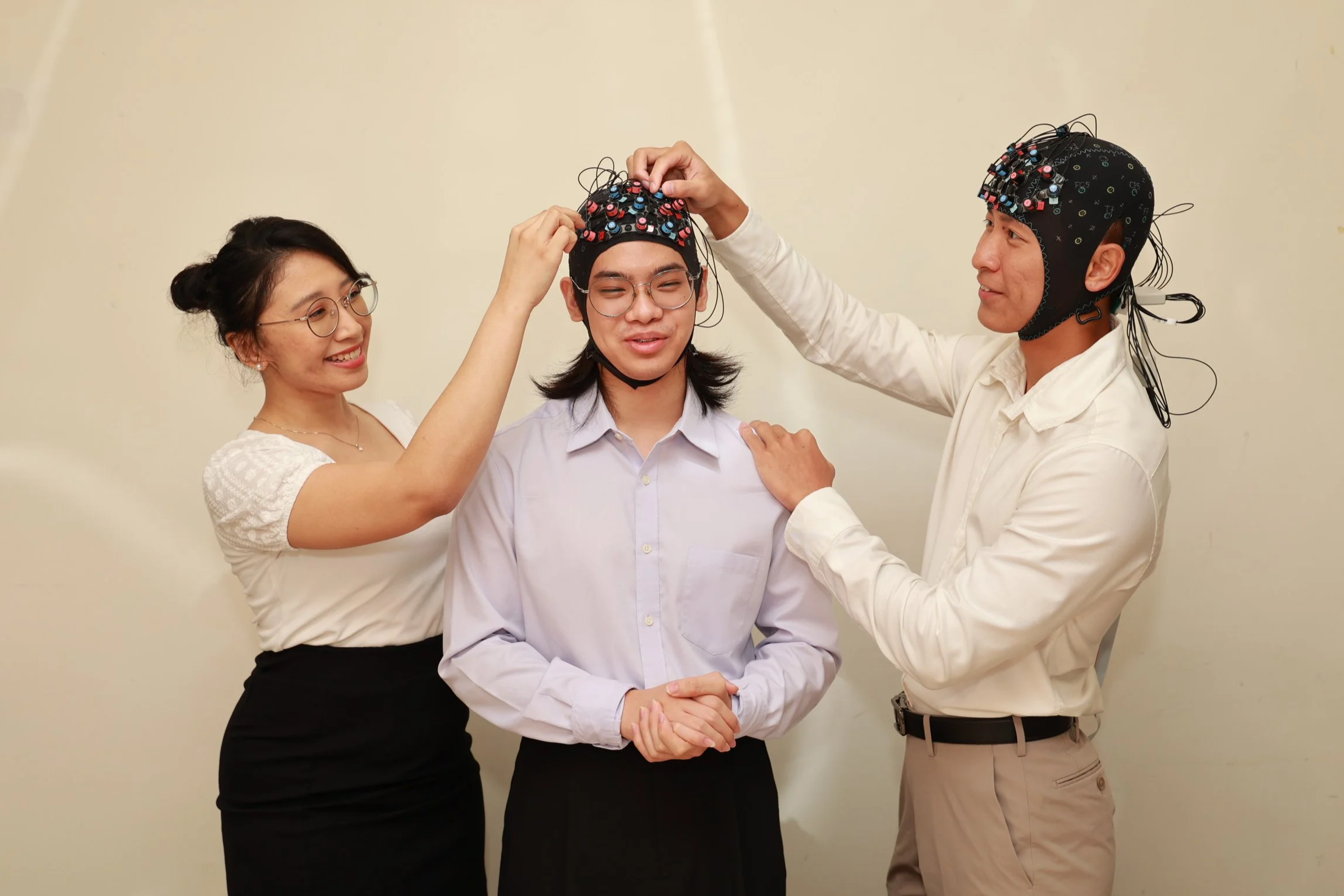
Why a relational lens is needed
Many contemporary approaches to well-being, education, and performance continue to focus primarily on the individual. They often assume that regulation is an individual skill, learning is largely cognitive, and resilience is a personal trait.
Relational neuroscience challenges this view.
Across development and across the lifespan, human functioning is deeply shaped by interaction with others. Research increasingly shows that regulation emerges through co-regulation, learning is supported by shared attention and reciprocal exchange, and resilience is sustained through relational processes embedded within families, classrooms, teams, and communities.
A relational lens therefore shifts the focus from isolated individuals to the dynamics between people. It helps explain why interventions that target only the individual may produce limited or uneven outcomes when the surrounding relational environment remains unchanged.
By recognising that human development and adaptation are fundamentally social and interactive processes, relational neuroscience offers a more ecologically grounded understanding of how well-being, learning, and performance emerge in real-world contexts.

Parent-Child, Spouses and Families
A relational neuroscience approach to families. Towards understanding families as relational systems.
Appreciating how relationships and social interactions shape the developing brain and early learning.
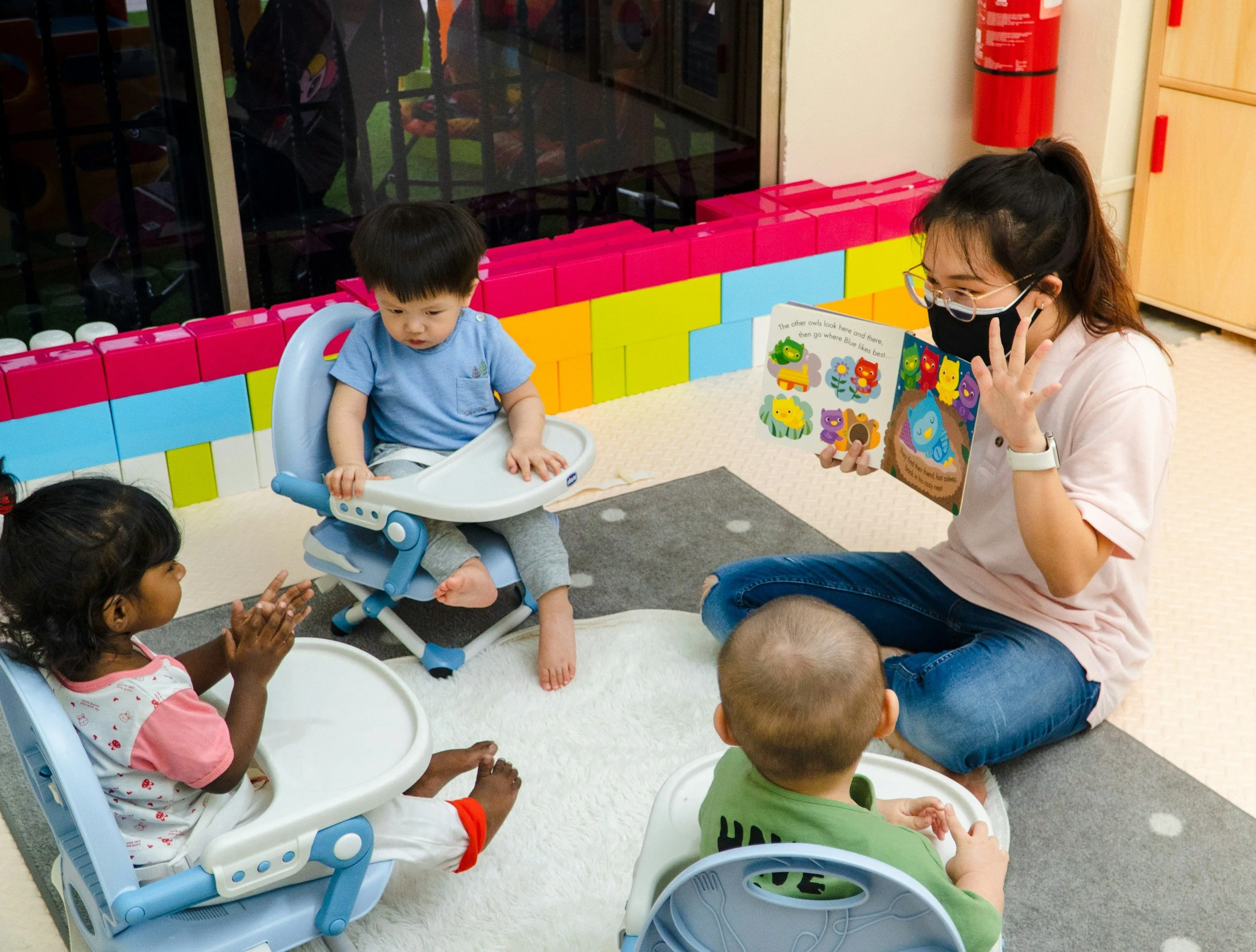
Children & Early Educators
Uncover the relational dimensions that support effective learning and performance.

Learners & the Workplace
Collective well-being starts from understanding how co-regulation from social support is essential.