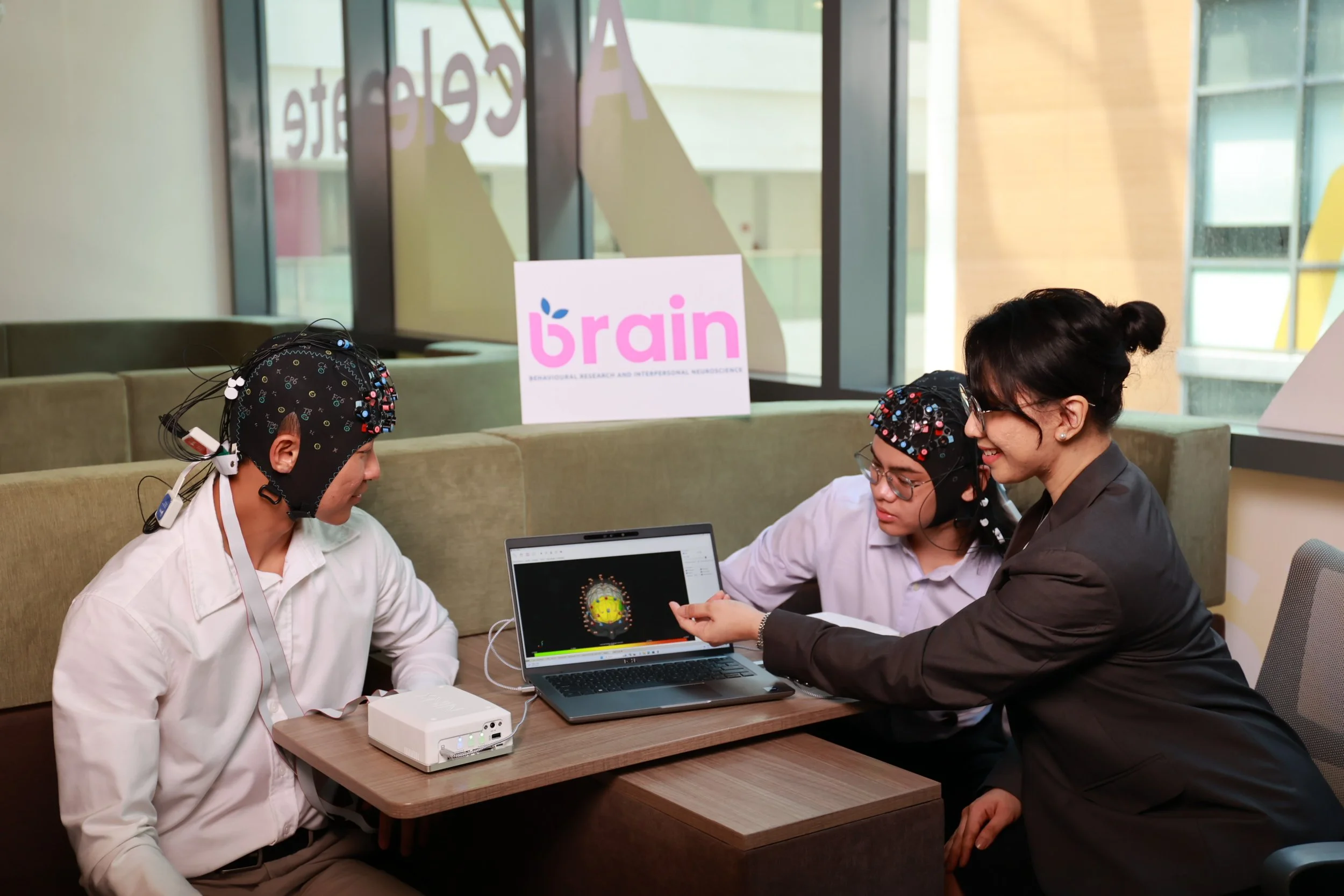
Learners & the Workplace
Learning and performance as relationally regulated processes
Relational neuroscience shows that learning and performance are not solely individual capabilities, but emergent properties of relational and organisational systems. Attention, decision-making, problem-solving, and adaptability depend on the nervous system’s capacity for regulation, which is continuously shaped by social context, relational safety, and workload.
Across educational and workplace settings, individuals learn and perform best when their nervous systems are supported to remain regulated, engaged, and flexible. When relational or systemic stress is high, cognitive capacity narrows, learning is disrupted, and performance becomes harder to sustain.
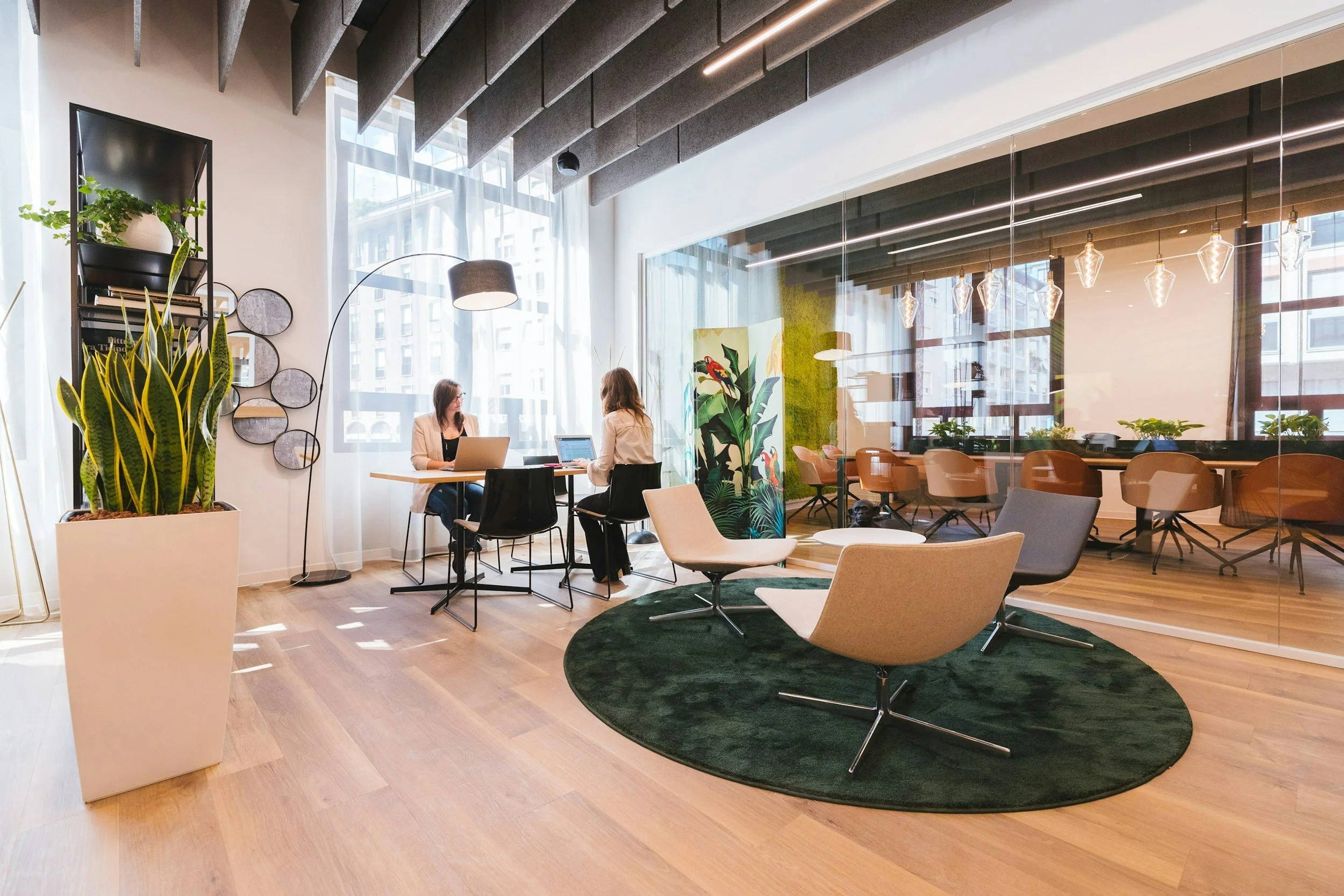
Relational safety and learning readiness
Learning readiness is not just a matter of motivation or skill—it is a physiological and relational state. Relational neuroscience highlights the role of relational safety, synchrony and co-regulation interaction in supporting:
sustained attention
effective collaboration
team performance
Psychological safety within teams and learning environments supports neural conditions associated with exploration, collaboration, and adaptive learning.
Co-regulation in educational and workplace settings
Although self-regulation is often emphasised in adult learning and performance, relational neuroscience shows that co-regulation remains essential across the lifespan. Leaders, educators, managers, and peers influence one another’s regulatory state through tone, pacing, responsiveness, and relational cues.
Effective co-regulation in these contexts:
supports engagement during challenge
reduces burnout and cognitive overload
enables recovery after stress
This does not remove individual responsibility, but recognises that regulation is distributed across relationships and systems.
Application for education and organisations
Relational neuroscience informs:
learning design and facilitation
collaboration and team effectiveness
organisational culture
wellbeing and performance sustainability
By intentionally designing relational and organisational conditions that support regulation, synchrony, and safety, learning institutions and workplaces can enhance engagement, adaptability, and long-term performance.