Research Projects
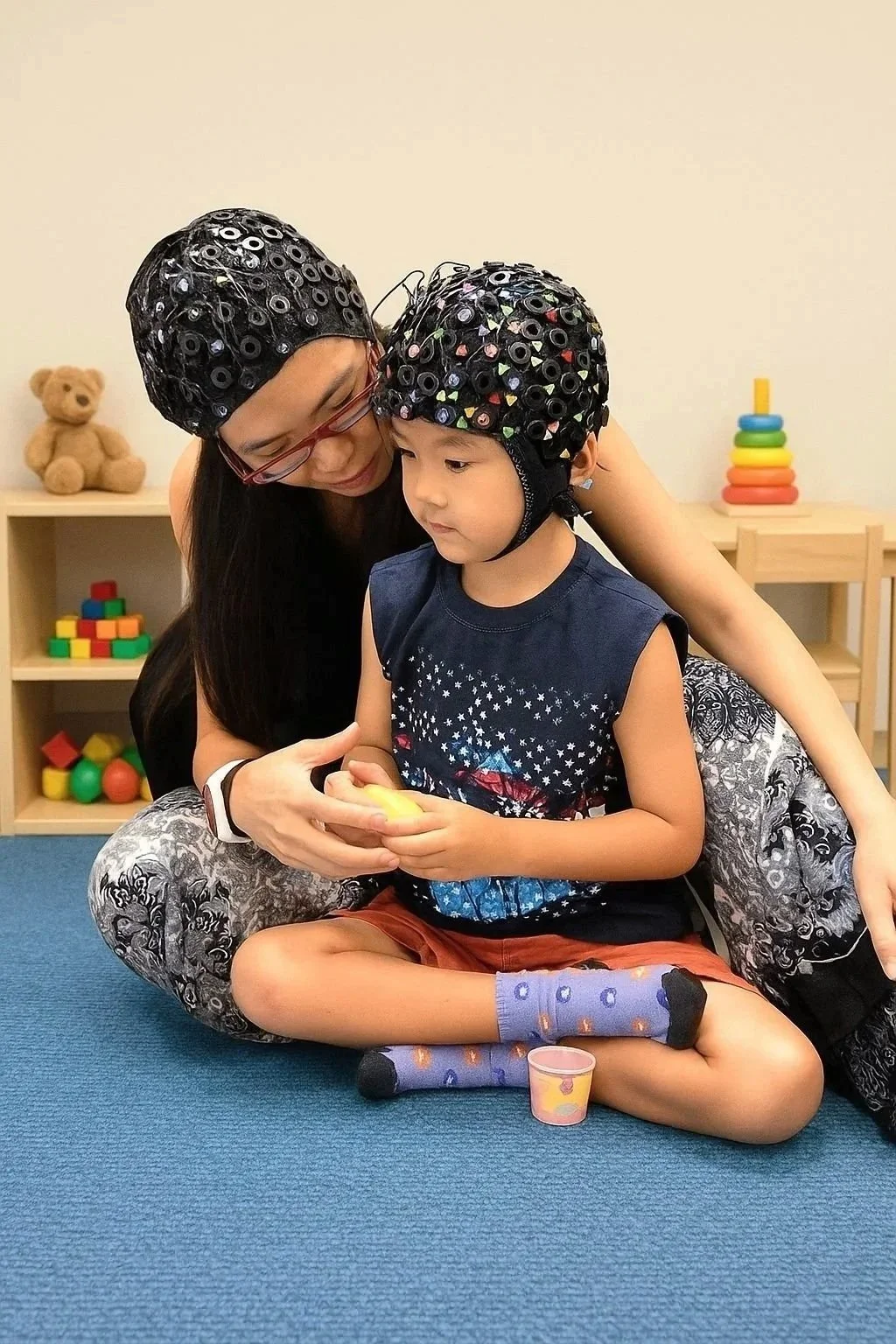
Early Childhood, Family Environment and Parent-child Relationships
-
This strand explores how children’s emotional, social, and cognitive development are shaped by the quality of their relationships at home. Using tools from developmental neuroscience and psychology, my research investigates how parents and children connect, co-regulate, and grow together.
Through hyperscanning studies, we examine how parents’ and children’s brains “tune in” to one another during play, conversation, and joint learning — a process called interpersonal neural synchrony. When this alignment is strong, children show better emotion regulation, empathy, and social understanding. When disrupted by stress or anxiety, both connection and development can be affected.
-
Understanding how everyday stress influences brain-to-brain connection during play and co-viewing of movies.
-
Exploring how parental empathy shapes children’s brain responses during prosocial decision-making.
-
Studying how parent-child co-viewing during screentime affects brain development.
-
Investigating strategies for how families balance work and home demands in remote work environments, and how this affects parental brain activity and mental load.
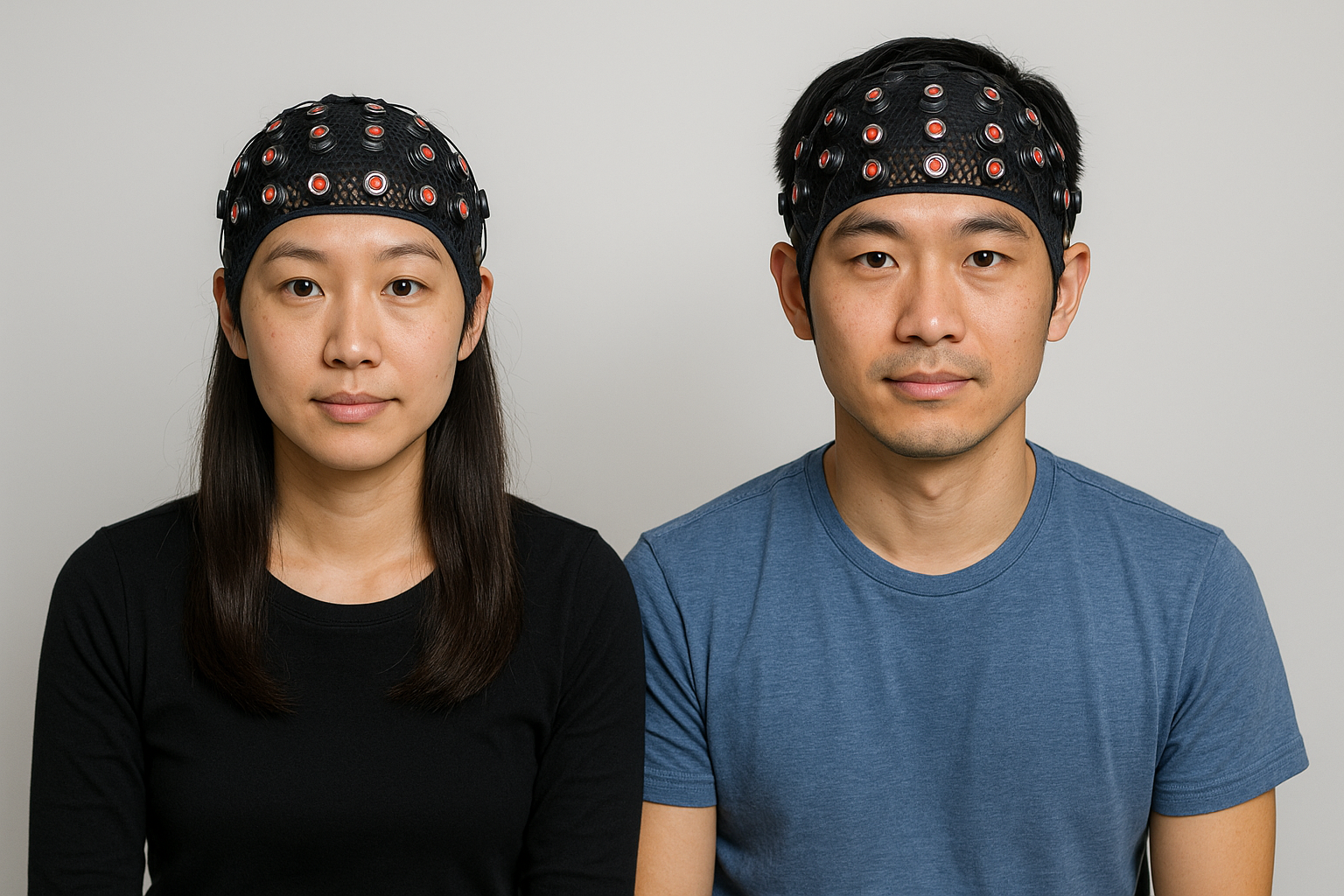
Spouses, Couples and Romantic Relationships
-
This strand explores brain activity underpinning adult relationships, spanning married spouses, co-parenting partners and romantic couples. We investigate how brain activity, and brain synchrony, underlies emotional connection and relationship outcomes.
-
Examining how similarities in brain responses underlie emotional attunement and marital satisfaction.
-
Exploring how physical presence of co-parenting spouses influence responses to child needs.
-
Investigating individual differences in brain responses to family and non-family relationships.
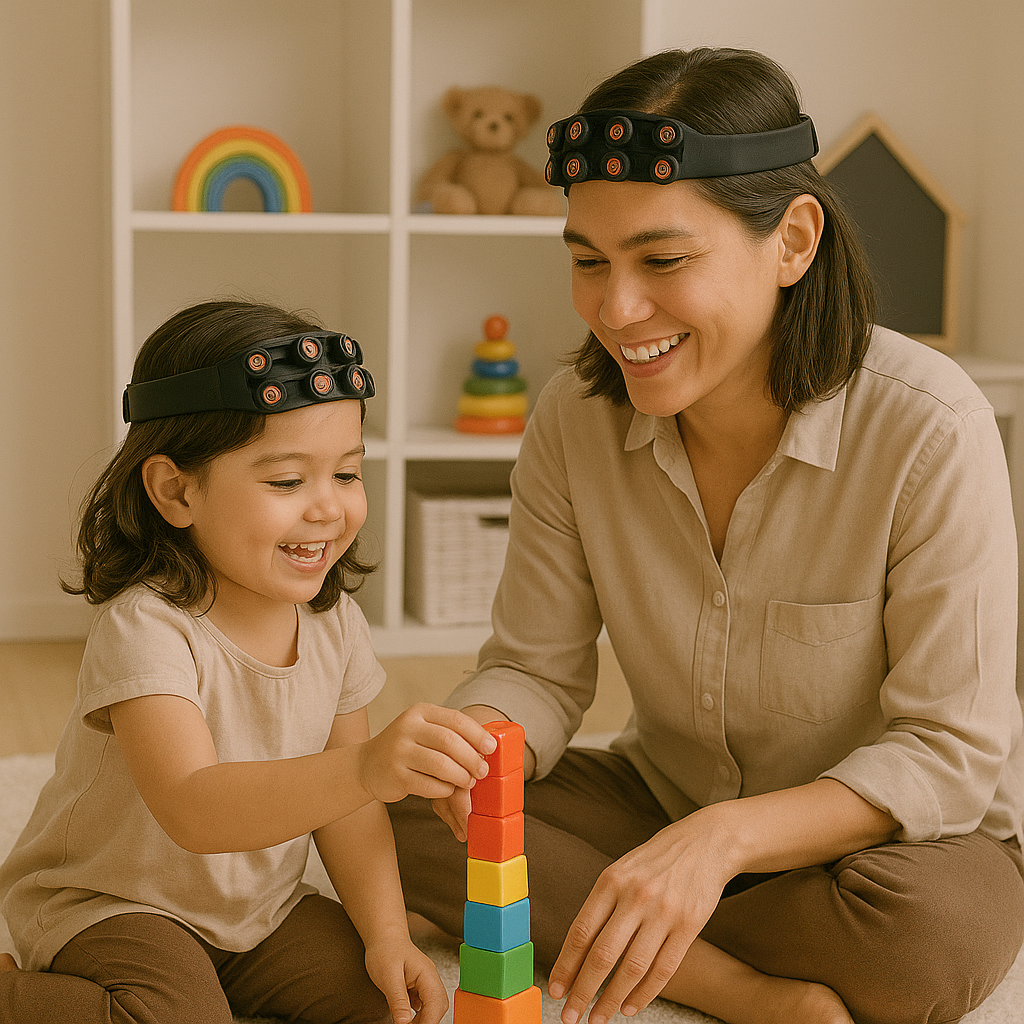
Mental Health and Relational Neuroscience-informed Interventions
-
This strand explores how interventions change brain activity and corresponding outcomes of interest, such as emotional regulation and coping strategies. Brain synchrony is explored as a neural marker of mental health conditions.
-
Designing an App-based intervention to enhance coping acquisition of parents to reduce stress and promote enhanced quality of parent-child interactions. Examining longitudinal changes in brain activity before and after intervention.
-
Developing a neurofeedback intervention paradigm to enhance emotional regulation and parent-child relationship repair after domestic violence.
-
Elucidating the potential of brain synchrony as a marker of disruptions in social communication in psychological conditions.
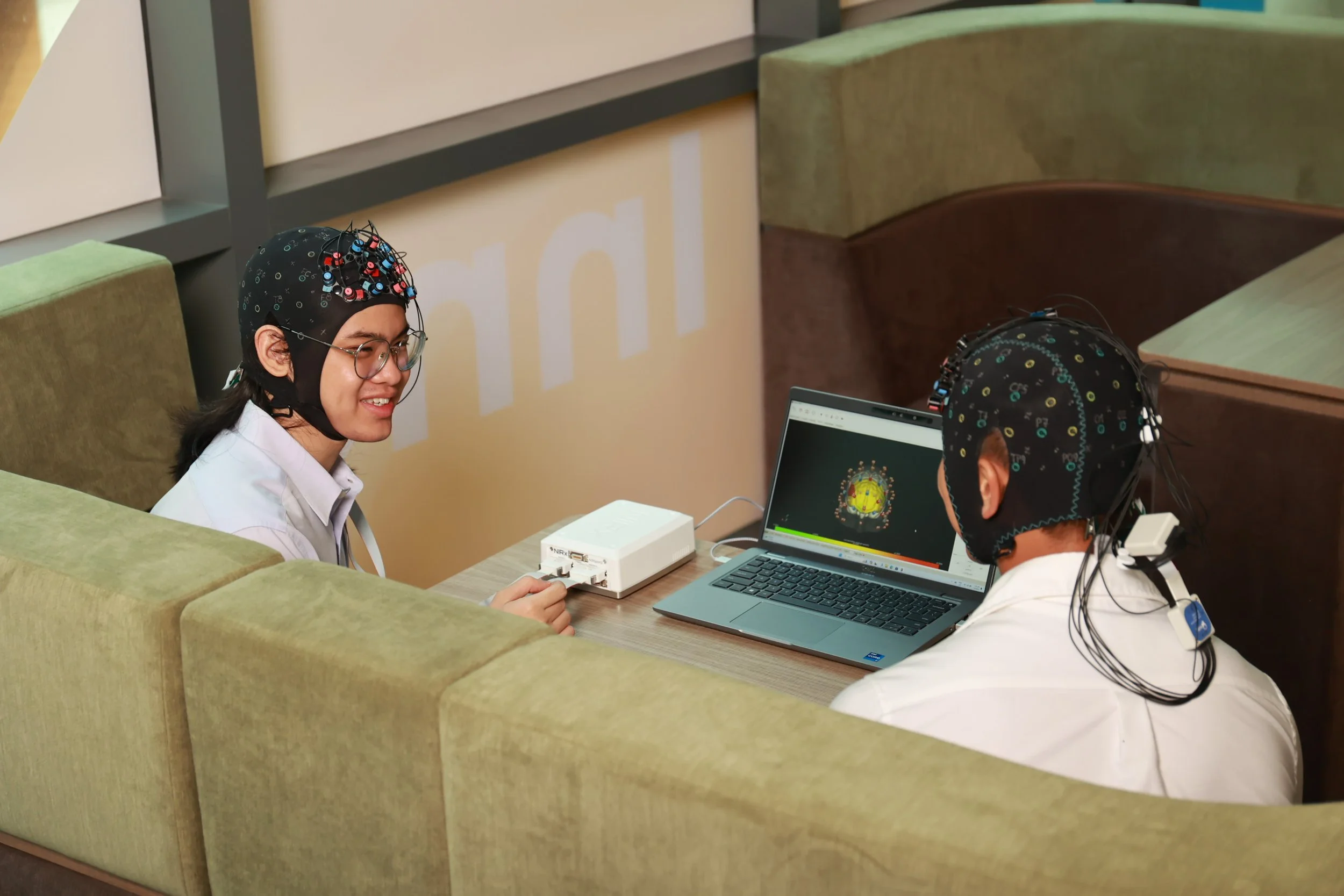
From Family to Society: Work, Learning and Collaboration
-
This strand extends the neuroscience of connection into the worlds of education, teamwork, and professional collaboration. We investigate how interventions affect brain activity and support effective learning, rapport and performance.
-
Revealing how brain synchrony during naturalistic online seminars and learning activities predicts rapport, performance and learning outcomes.
-
Exploring how interventions that promote rapport enhance group relational satisfaction, performance and brain activity.