Relationships in Early Childhood
Brain development as a relational and regulatory process
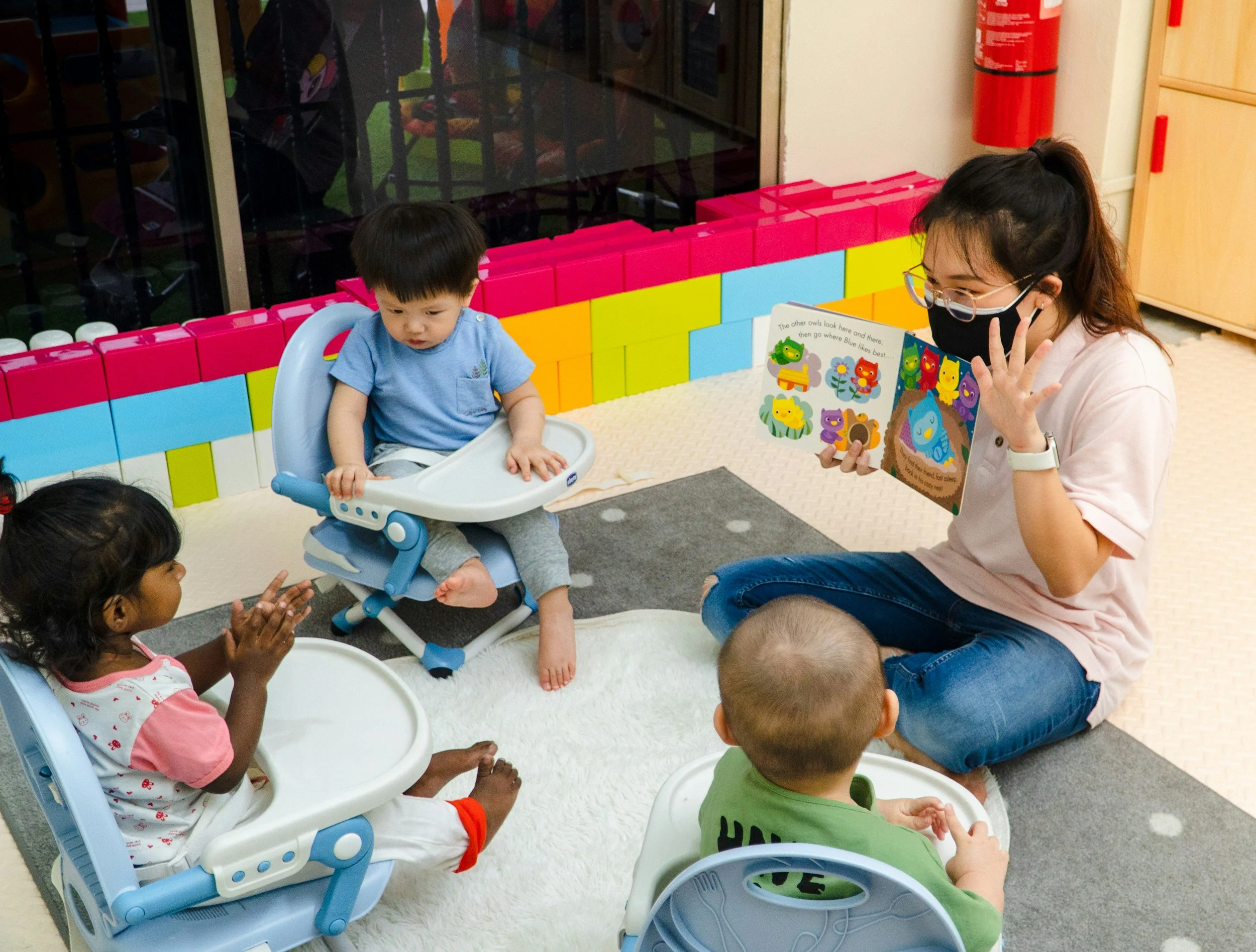
Relational neuroscience understands early childhood brain development as a relationally organised process. From infancy through the preschool years, neural systems responsible for regulation, attention, social engagement, and learning are shaped through repeated interactions with caregivers and educators, rather than through independent skill acquisition.
At this stage of development, children do not yet have the neurological capacity to regulate arousal, emotion, or attention on their own. Instead, regulation is externally supported through the presence, responsiveness, and attunement of adults in their environment.
Synchrony: building the foundations for regulation and learning
Synchrony plays a central role in early development. Through moment-to-moment coordination of gaze, affect, movement, and timing, adults help organise the child’s nervous system. These synchronised interactions support the maturation of neural pathways involved in:
emotional regulation
sustained attention
social communication
stress recovery
Synchrony also supports the development of trust and predictability, which are essential for exploration and learning. When interactions are consistently attuned, children experience the environment as safe enough to engage, take risks, and learn.
Co-regulation as the pathway to self-regulation
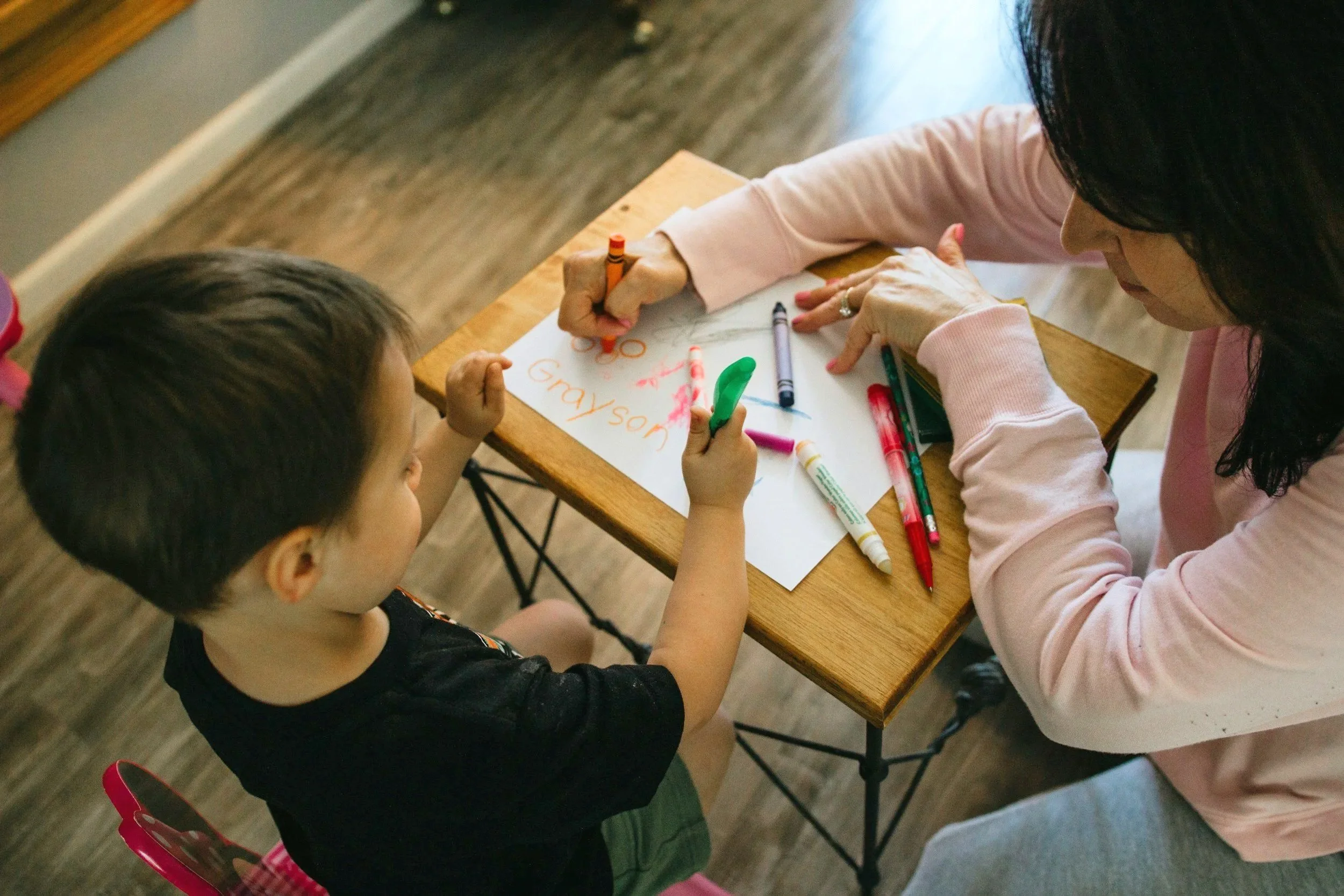
Co-regulation refers to the adult’s active role in helping children manage arousal, stress, and emotion. This includes calming an overwhelmed child, supporting focus during challenge, and helping children recover after dysregulation.
Relational neuroscience highlights co-regulation as the developmental pathway through which self-regulation gradually emerges. Repeated co-regulated experiences strengthen the neural systems that support later autonomy.
What this lens changes
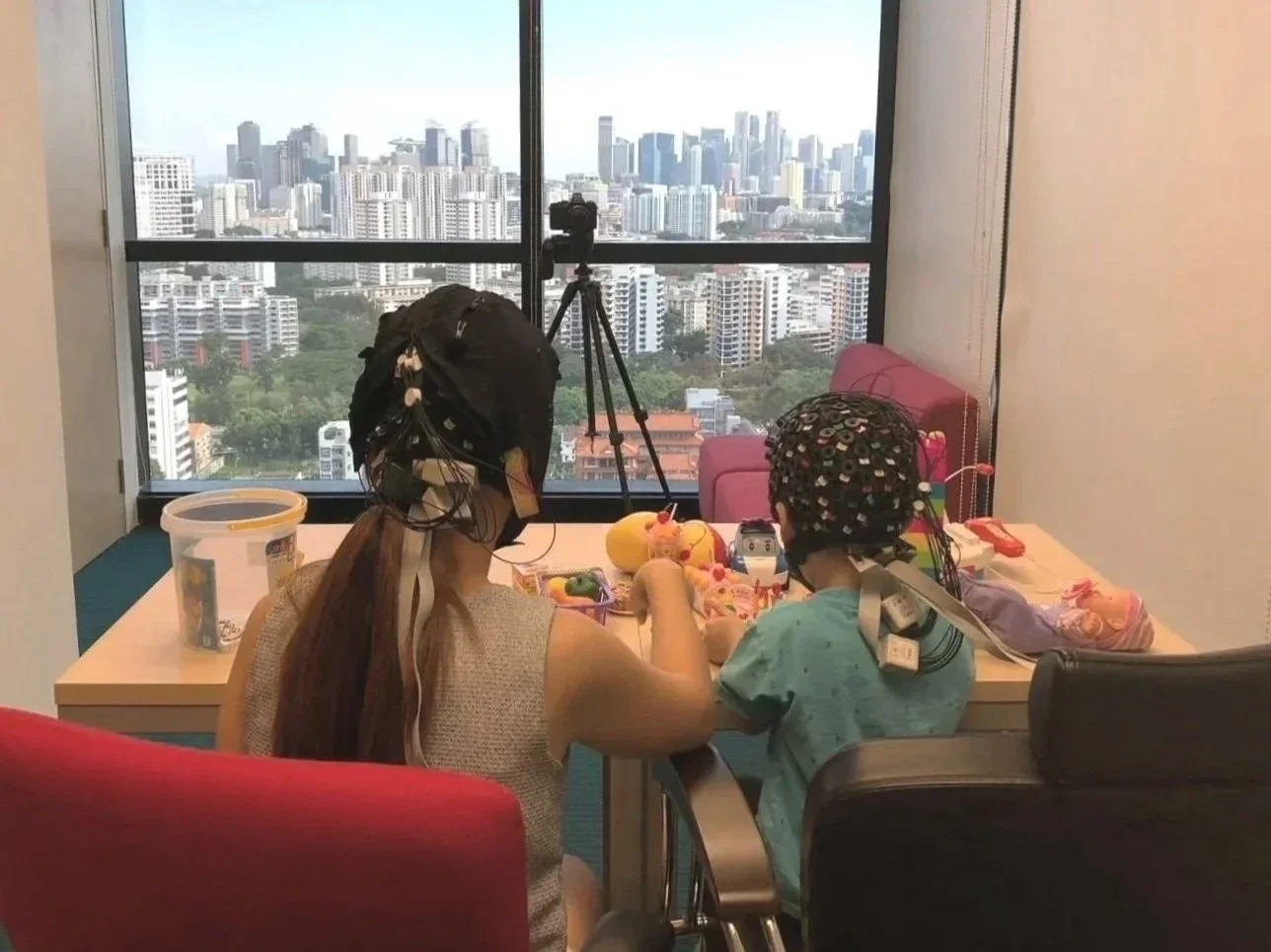
In early childhood and preschool settings, this approach:
reframes behaviour as communication about regulatory state
recognises learning readiness as a physiological and relational condition
identifies synchrony as foundational to trust, attention, and social engagement
positions educators as primary co-regulators, shaping children’s capacity to participate and learn
Application in early learning environments
Relational neuroscience informs:
educator–child interactions that prioritise responsiveness, timing, and emotional attunement
routines and transitions designed to reduce regulatory load
group experiences structured to support shared attention and engagement
By intentionally supporting synchrony and co-regulation, early childhood settings can strengthen regulatory capacity, curiosity, social connection, and learning, creating environments where children are developmentally supported to thrive.