Speaking
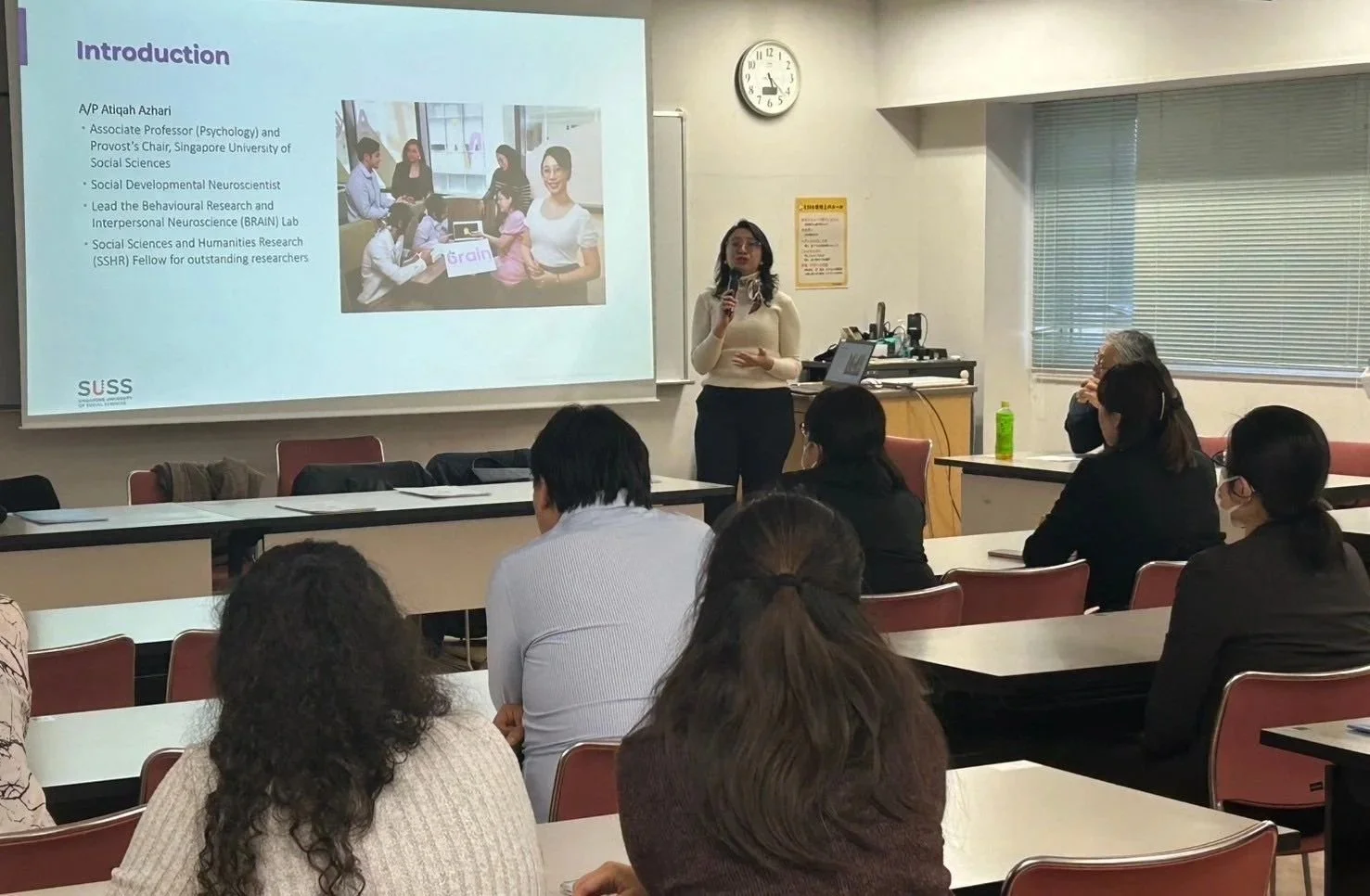
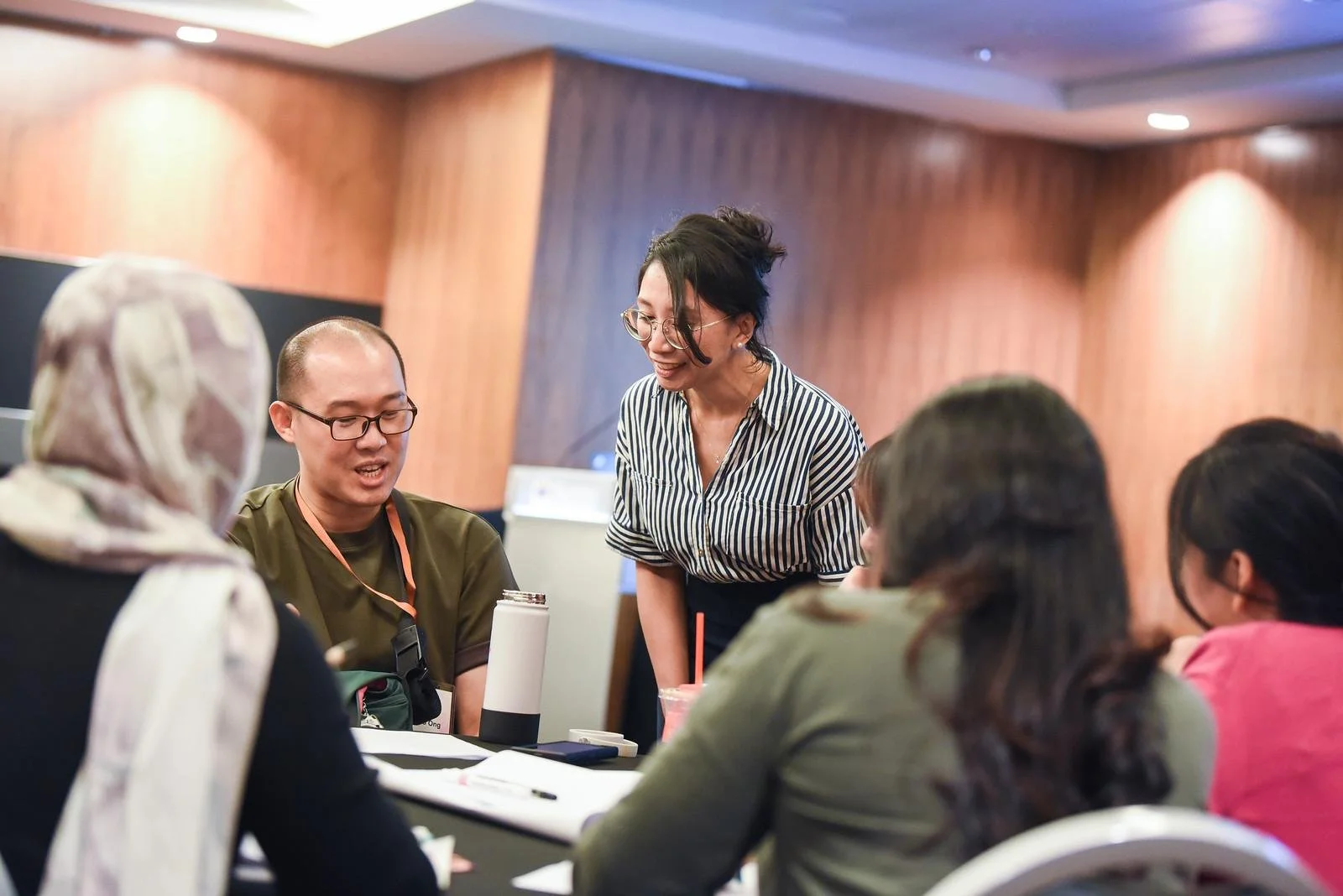
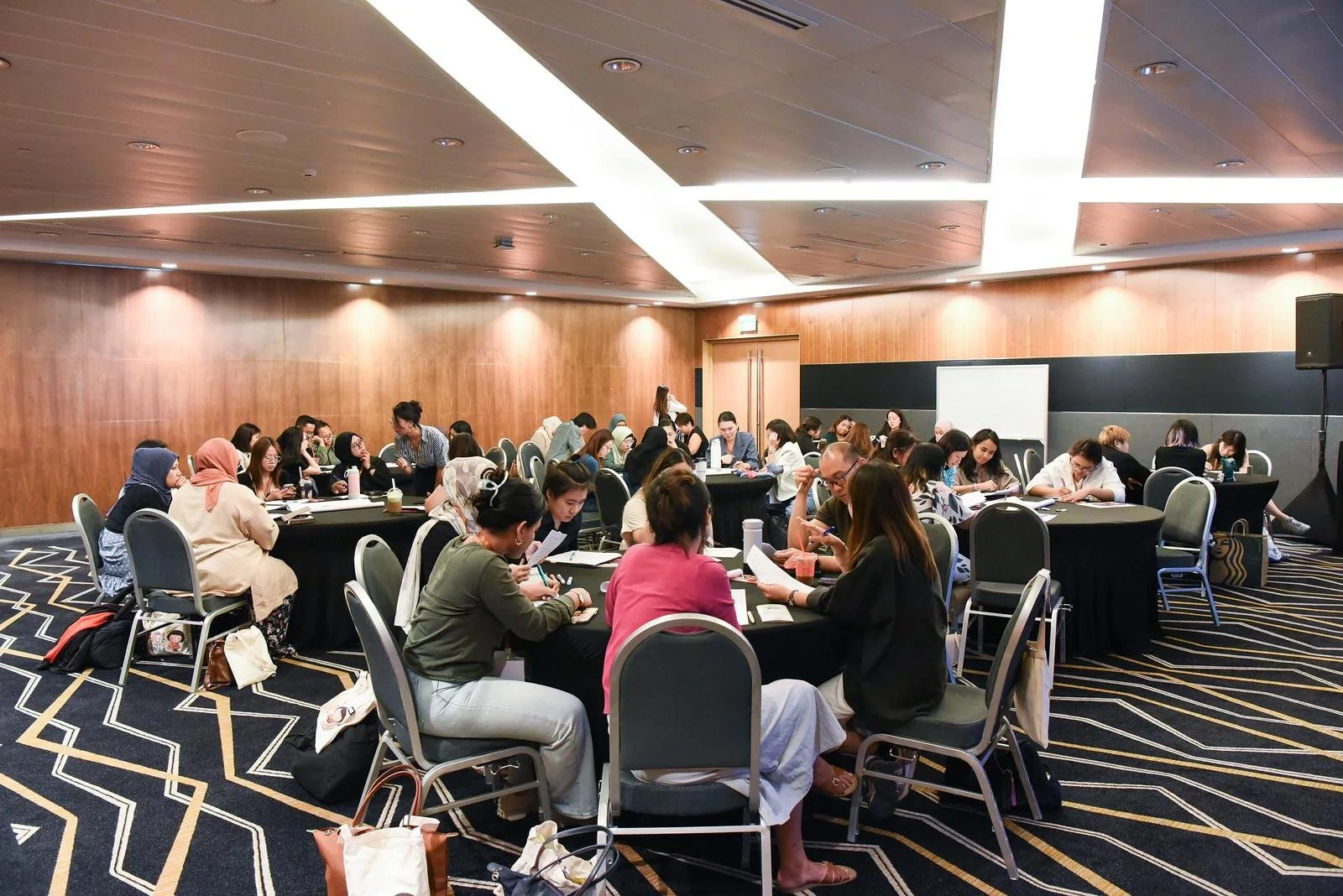
Atiqah has delivered talks and workshops on relational neuroscience to the general public, academics, and practitioners including to educators, organisational leaders, and government officials.
Relational Neuroscience of Online Collaboration
As learning and work increasingly move into hybrid and online spaces, collaboration has become more important than ever. Yet effective teamwork is not just about being in the same group or using the right digital tools. It depends on how people connect, communicate, coordinate, and build shared understanding together.
In this workshop, I shared insights from relational neuroscience and communication research on what supports successful online collaboration. Drawing on studies of undergraduate dyads working together in Zoom seminars, I discussed how brain-to-brain synchrony can emerge during meaningful interaction, and how conversational patterns such as affirmation, encouragement, agreement, and constructive engagement can improve group satisfaction and performance.
The session highlighted collaboration as both a cognitive and relational process. It offered practical insights for designing online learning and workplace environments that support stronger connection, cohesion, and collaborative outcomes.
Relational Neuroscience of Stress and Resilience
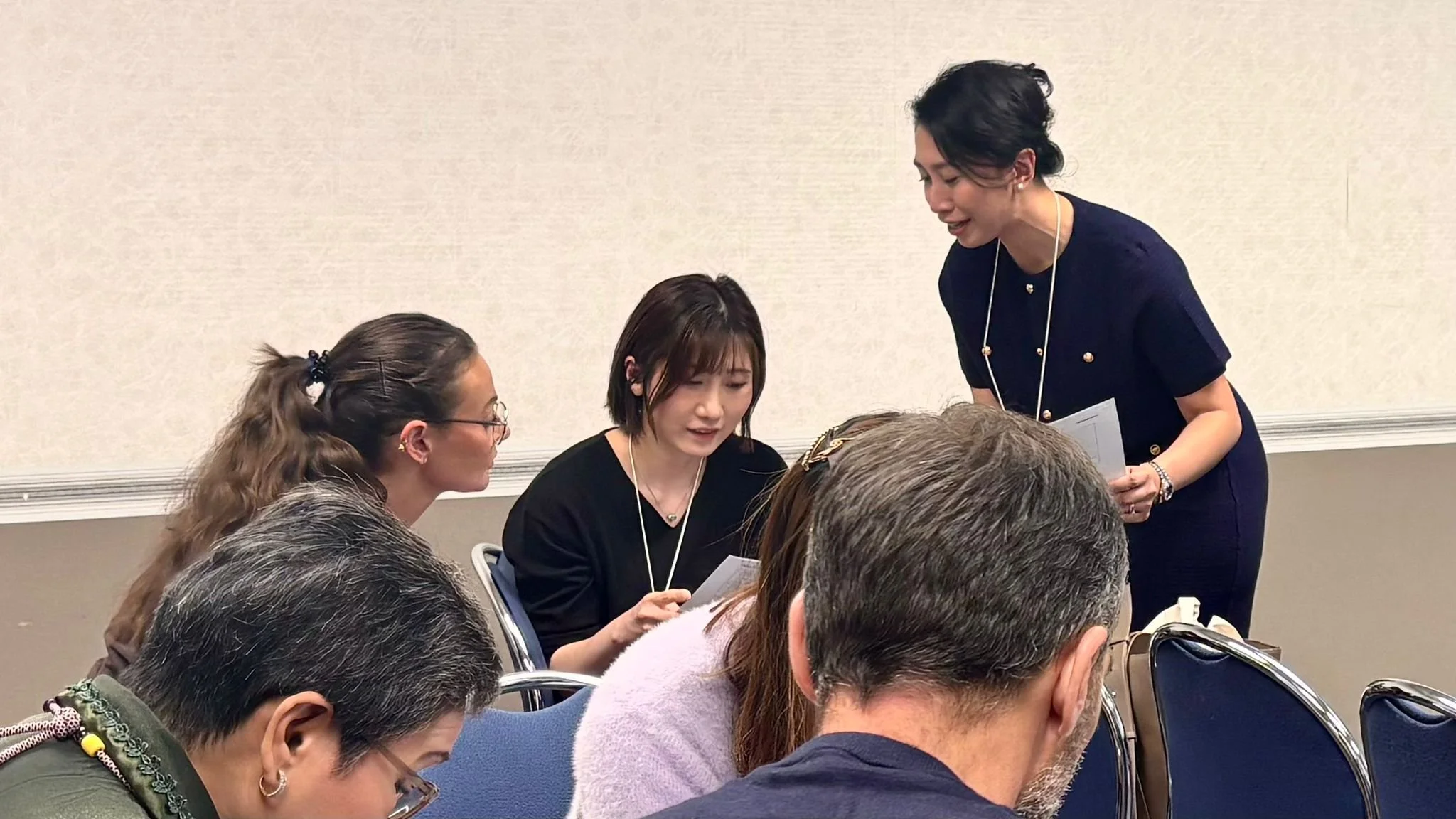
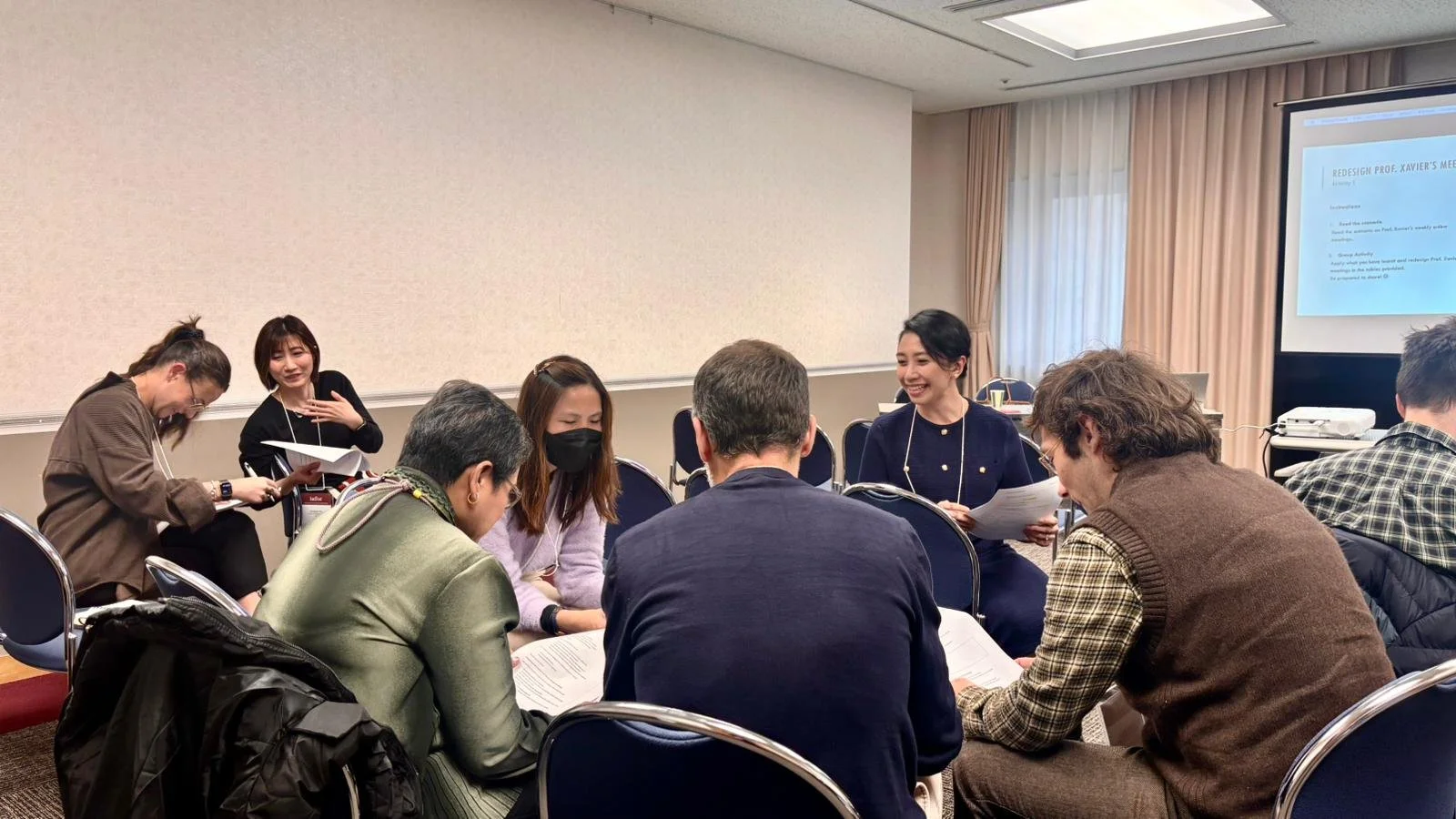
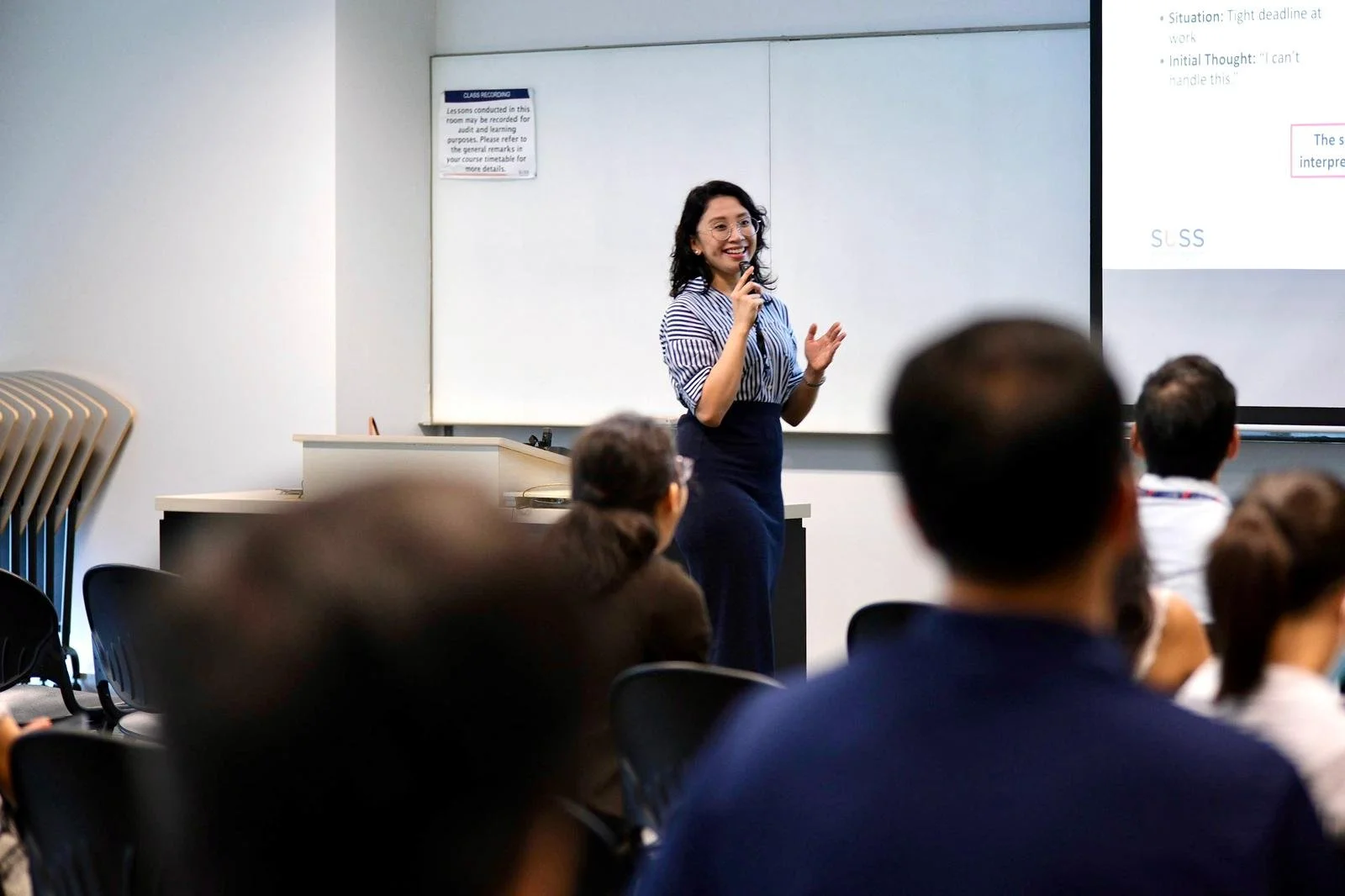
This workshop explored stress and resilience through a relational neuroscience lens. Moving beyond the idea of resilience as an individual trait, I discussed how resilience is shaped by regulation, recovery, adaptation, and social connection.
Drawing from affective neuroscience, interpersonal regulation, and neuroimaging research, the session examined how stress affects the brain and how practices such as mindfulness and cognitive reframing can support emotional regulation. I also introduced the concept of co-regulation, showing how people influence one another through facial expressions, tone of voice, body language, and other interpersonal cues.
The workshop highlighted how stress and calm can spread across relationships, teams, and social environments. It also explored how moments of rupture can disrupt connection, and how repair and reconnection can help restore coordination and build relational resilience over time.
Relational Neuroscience of Parent-Child Relationships During Play
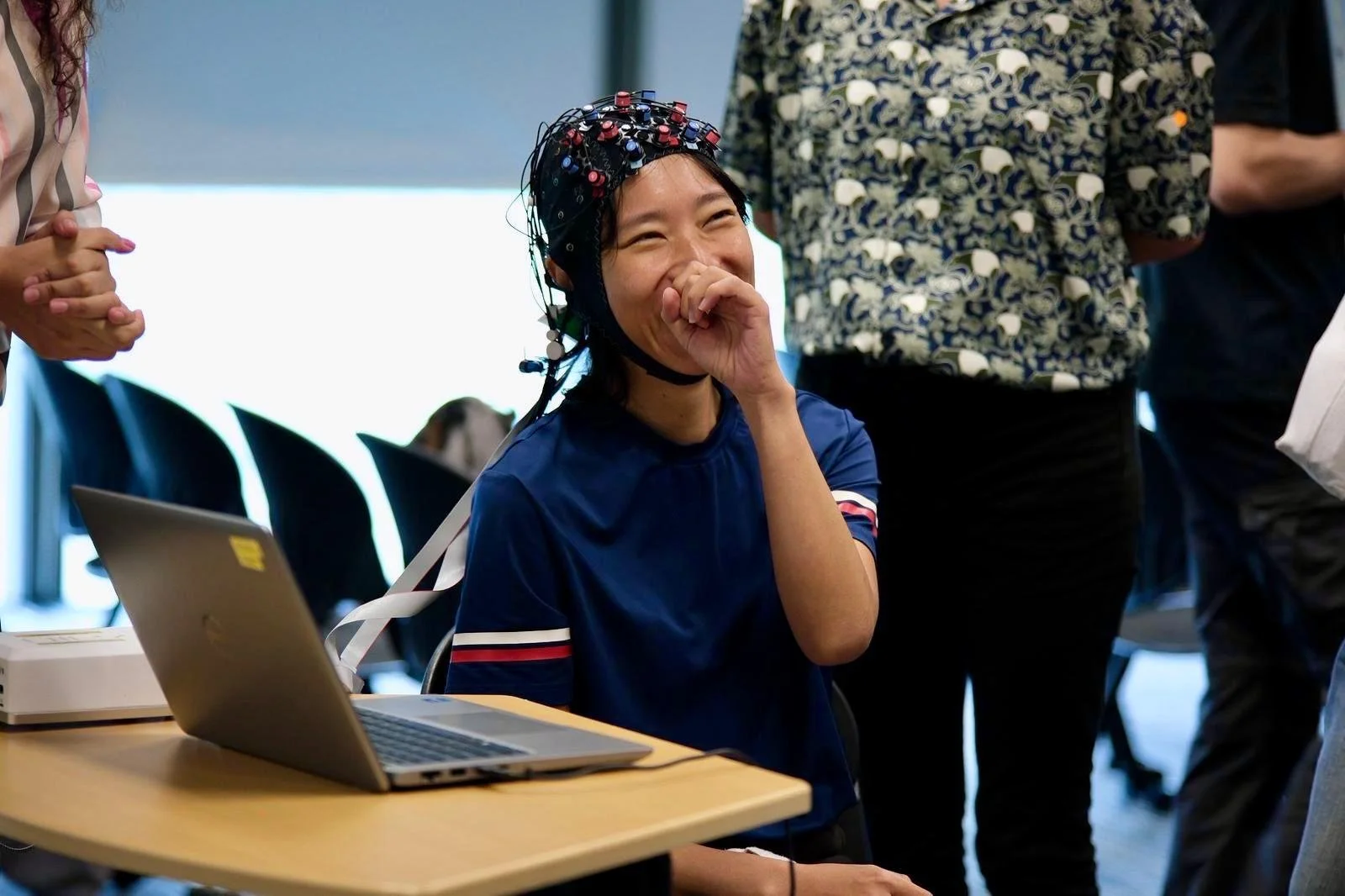
This workshop explored how parent-child synchrony supports children’s emotional, cognitive, and behavioural development. Drawing on research in relational neuroscience and parent-child interaction, I discussed how attuned moments of play help children regulate emotions, sustain attention, and build social connection. The session introduced synchrony as the alignment of behavioural and brain signals between parent and child, showing how everyday interactions can shape the developing brain.
I also shared findings from my published research on how stress can disrupt parent-child synchrony and affect co-regulation during interaction. Participants explored practical strategies to strengthen connection through play, including turn-taking, non-verbal cues, shared attention, and music-based activities.
The workshop offered parents, educators, and practitioners accessible tools for using play to support children’s regulation, learning, and relational development.